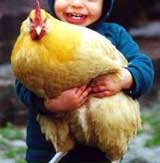
If you have never had chickens as pets then you are missing out on one of life’s rich experiences. They are absorbing pets and produce consumable by-products!
They are also easy to keep healthy but there are some common conditions and diseases that you need to watch or you may end up having a crook chook.
Identifying a crook chook
If a chicken is unwell, it will be less active than the others. The bird’s comb is a good barometer of health. If it is large, red and mostly standing erect the bird is well, but if it becomes pale and limp the bird is likely to be unwell.
The breast should be plump, round and convex. If it is concave and the keel bone becomes prominent due to thinning of the breast, the bird is also likely to be unwell.
Chickens produce large volumes of green and white manure. The manure should form a semisolid splotch when deposited. If it is quite liquid, the bird has diarrhoea and needs attention.
They should breathe steadily with no sign of wheezing or of moisture around their beak. While chickens will pant if hot or stressed, this should not be to excess. If unusual breathing occurs or if they are most around the beak, respiratory disease could be a problem.
Some conditions do occur commonly and these are listed below.
Broody hens
If you have poultry, and you are treating them correctly you are bound to have a broody hen at some stage. Having a broody hen is a compliment to your flock management skills. Broodiness occurs when the hens are getting lots of good food and when they have a warm comfortable dark nest and a clutch of eggs to mother or in other words – all the good things in life.
Brooding occurs because a motherly hen wants to hatch eggs. This is good news if you have fertilised eggs and want to hatch chickens but bad news if you are keeping chickens for egg production.
A broody hen will stay in the nest continually, night and day, and will be quite aggressive to other hens that want to use the nesting box. This will stop the other birds from laying and a big reduction in egg production occurs.
To solve the problem, the hen needs to be gently deprived of life’s luxuries. This is usually done by removing the bird from the nest and placing her in a stark cage on her own for a few days. Nesting material is eliminated and the cage needs to be well ventilated so that the hen has no ability to create a warm nesting spot beneath her.
In most cases, being kept away from the nest for three to four days will stop the hen being broody but keep the hen closely observed to ensure she doesn’t go back to her old ways as soon as she is returned to the pen.
Moulting
Moulting is the normal process by which chickens shed old feathers and replace them with new ones. Poultry go through a major moult in late summer or autumn. In autumn the moult replaces the summer cover with a thicker coat of feathers to provide winter warmth. Mostly, the moult is a gradual progressive process and nothing is noticed but some birds moult quickly. These birds look scruffy and more closely resembling a feather duster with an identity crisis rather than a chicken.
Moulting consumes a large amount of energy and therefore moulting chooks need access to good quality food. They will often go off the lay during a moult, putting their energies instead into replacing their feathers and maintaining body temperature rather than into egg production.
Internal parasites
Internal parasites, such as worms and single-celled parasites called coccidia, cause common problems with backyard chickens. Many species of worms in poultry are spread by the birds eating insects, slugs and earthworms which act as hosts for immature stages of the worms.
Worms reduce egg production, cause diarrhoea, loss of weight and ultimately cause the death of poultry. Worms are usually treated by the addition of medication to the flock’s drinking water but medicated seed can also be purchased. Poultry should be wormed every three months to prevent infections.
Coccidiosis is a condition seen more commonly in young birds because older fowl tend to develop immunity to the disease. It causes the development of bloodstained diarrhoea. The disease is controlled and treated by the addition of medications to the water or occasionally to the food. Be aware that some medications used to control coccidiosis may not be suitable for egg-laying chickens, so be sure to ask your vet about this when you seek treatment for your birds.
External parasites
A crook chook could also be affected by external parasites such as lice, mites, fleas and ticks. Some of these bugs don’t cause much of a problem but others can cause a drop in egg production and body weight and intense skin irritation.
Treatment involves a thorough cleaning and disinfection of the flock’s pen. This should then be followed by treatment of the pen, equipment and the birds with insecticide dusts or sprays. Your veterinarian can advise on suitable preparations for your birds. Modern, commonly used insecticides do not affect the safety of the eggs for consumption.
Backyard poultry are good pets. A flock of half a dozen happy hens will keep you amply supplied with eggs and you will have some left over to give to friends.
Dr Cam Day BVSc BSc MACVSc
Last updated on 30 June 2021